
Professional Paint Correction in Northumberland
Remove swirl marks, scratches, and oxidation. Restore your paint to a flawless, mirror-like finish with our Rupes-certified process.
- Swirl Mark Removal
- Scratch Removal
- Showroom Finish
- Rupes Accredited


What is paint correction and how much does it cost?
Paint correction is a multi-stage machine polishing process that permanently removes swirl marks, light scratches and oxidation from your car's clear coat. At Hadrian's in Morpeth, Stage 1 enhancement starts around £300, full Stage 2 correction £600+, with a typical 2–4 day turnaround under professional inspection lighting.
What Is Paint Correction?
Paint correction is the art and science of removing imperfections from your vehicle's paintwork using machine polishing techniques. It's the only way to truly remove swirl marks and scratches—rather than just masking them with fillers.
Over time, your paint accumulates damage from everyday life:
- Swirl marks from improper washing and automatic car washes
- Fine scratches from daily use, hedges, and car parks
- Water spots etched into the clear coat
- Oxidation and fading from UV exposure
- Bird dropping and tree sap etching
- Holograms from poor previous polishing
The result? Paint that looks better than when it left the factory. A deep, wet-look gloss with mirror-like reflections that turns heads.
Paint Correction Stages Explained
Not sure which stage you need? Send us a photo of your paint in direct sunlight—we'll advise honestly.
Stage 1: Enhancement Polish
Single-step machine polish that removes light swirl marks, enhances gloss, and adds depth. Achieves 50-70% defect removal for a noticeably improved finish.
Duration: 24 hours
- Newer vehicles (1-3 years)
- Well-maintained paint
- Pre-sale preparation
- Before ceramic coating
Stage 2: Full Correction
Multi-step cutting and refining process. Removes heavy swirl marks, deeper scratches, and significant paint defects. Achieves 80-95% defect removal for a near-flawless finish.
Duration: 48 hours
- Older vehicles with worn paint
- Neglected paintwork
- Dark coloured cars
- Show car preparation
Stage 3: Wet Sanding
For the most severe defects. Wet sanding removes deep scratches, corrects orange peel texture, and achieves maximum defect removal for an absolutely flawless, glass-like finish.
Duration: 4+ days
- Heavily damaged paint
- Severe orange peel texture
- Classic car restoration
- Concours preparation
Paint Imperfections We Correct
If it's in the clear coat, we can remove it. Here are the most common paint defects we correct every day.
Swirl Marks
Fine circular scratches caused by improper washing techniques and automatic car washes.
Scratches
Surface-level scratches from brushes, cloths, keys, hedges, and daily use.
Water Spots
Mineral deposits from hard water that etch into the clear coat over time.
Oxidation
Dull, chalky, faded appearance caused by prolonged UV exposure and ageing.
Bird Droppings
Acidic deposits that etch into paint if left untreated, causing permanent marks.
Holograms
Buffer trails and patterns from poor previous polishing attempts or body shop work.
Tree Sap & Tar
Stubborn organic and road contamination bonded to the paint surface.
Paint Transfer
Scuffs and marks from contact with other surfaces, car parks, and door edges.
Paint Correction Results
See the transformations our Rupes-accredited technicians achieve every day.
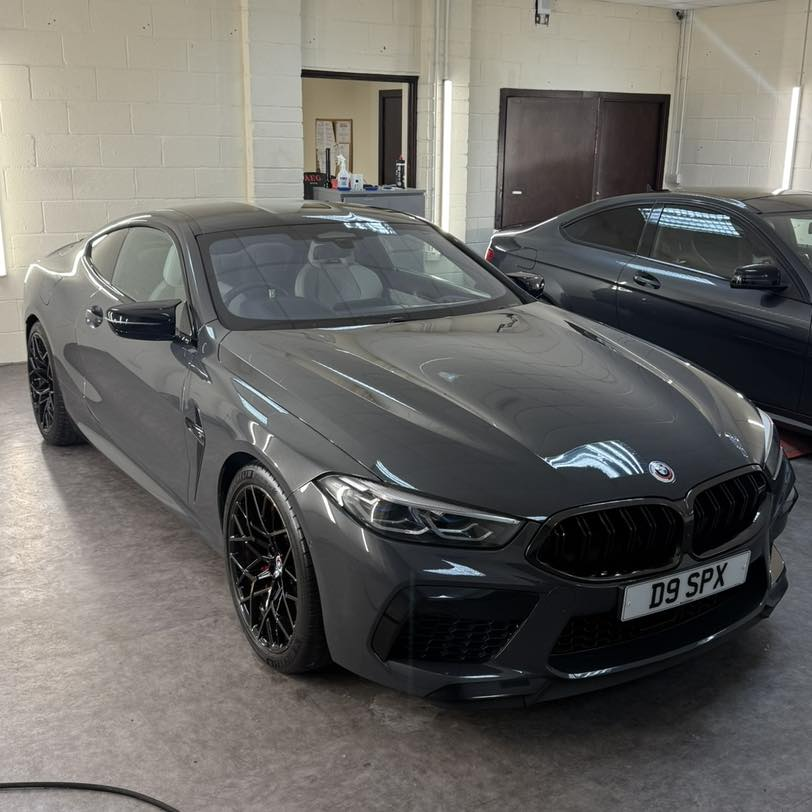
BMW M8 – Stage 2 Correction
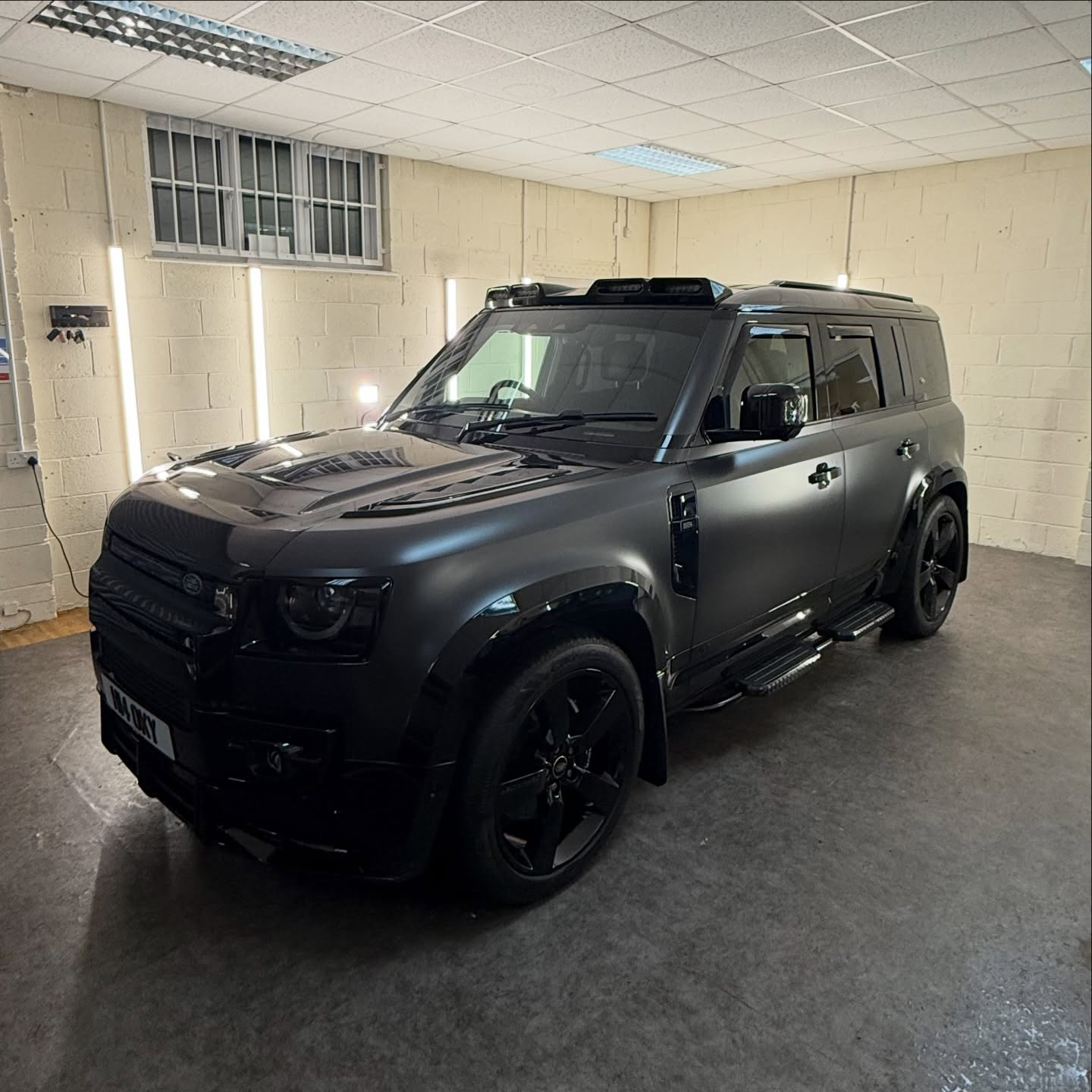
Land Rover Defender – Full Correction
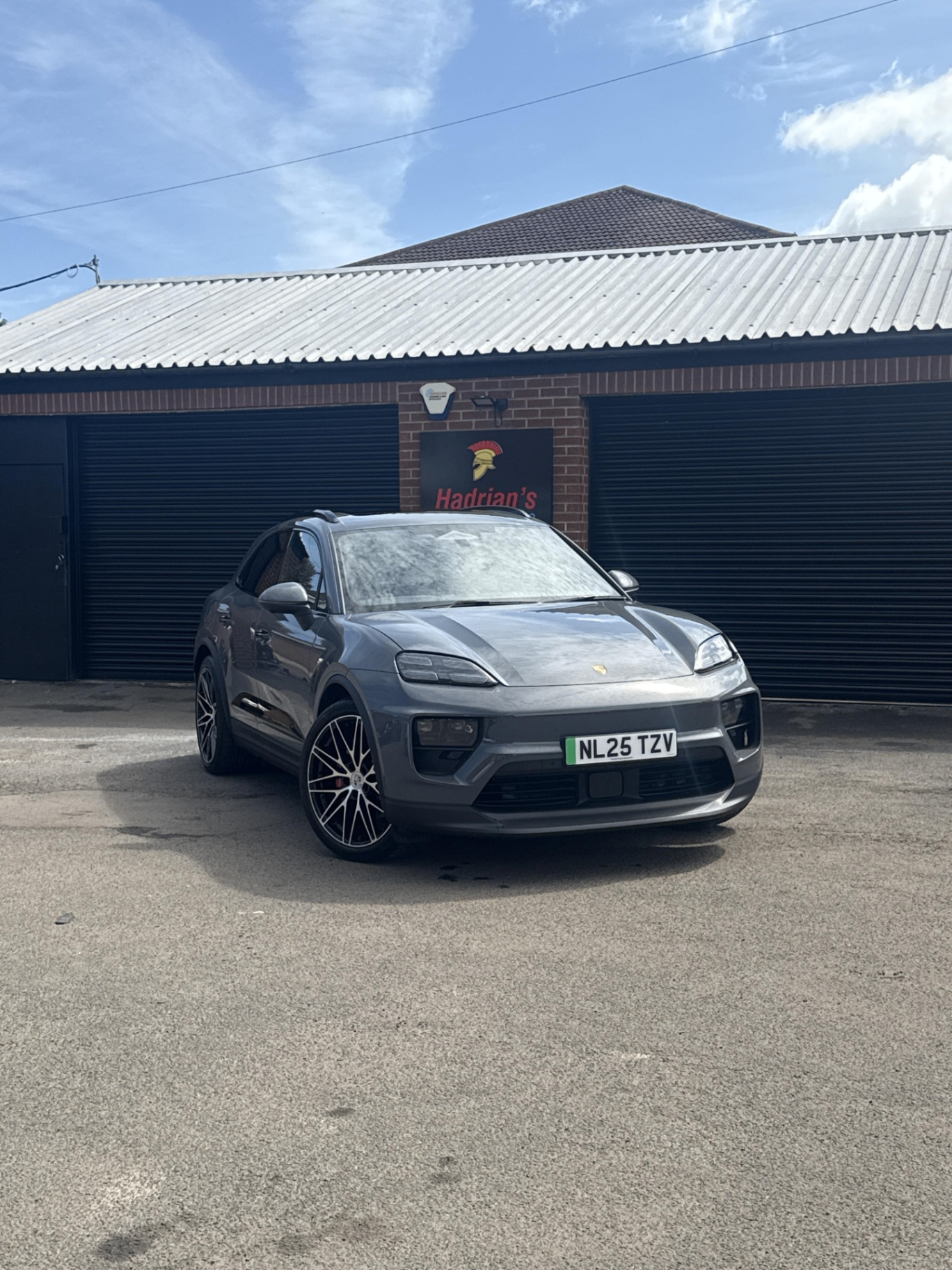
Porsche Macan – Enhancement Polish
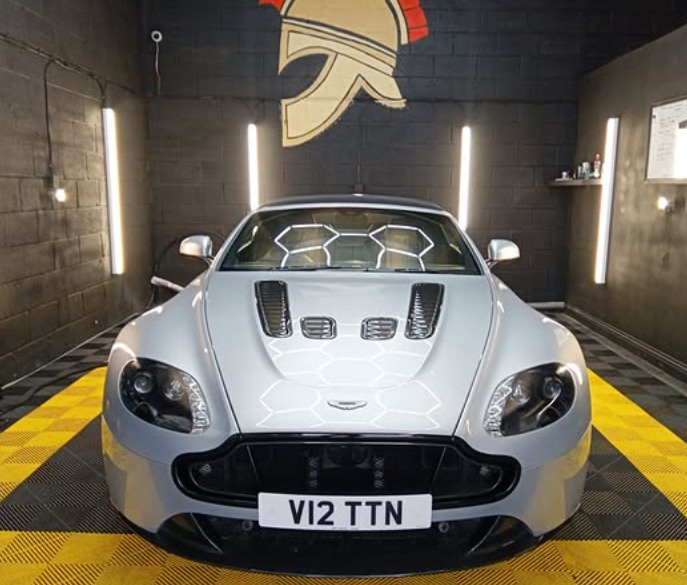
Aston Martin – Stage 2 Correction
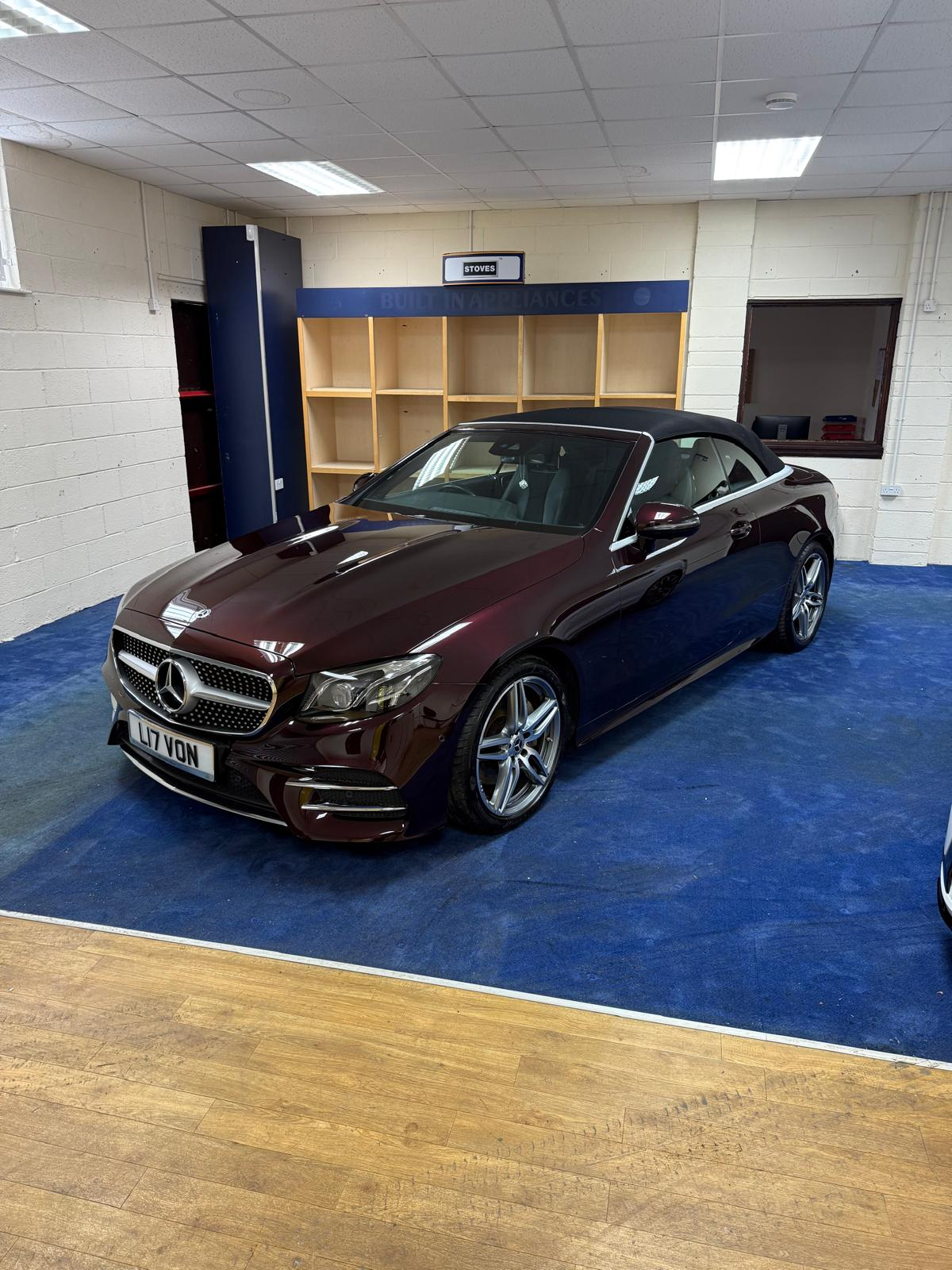
Mercedes – Stage 1 Enhancement
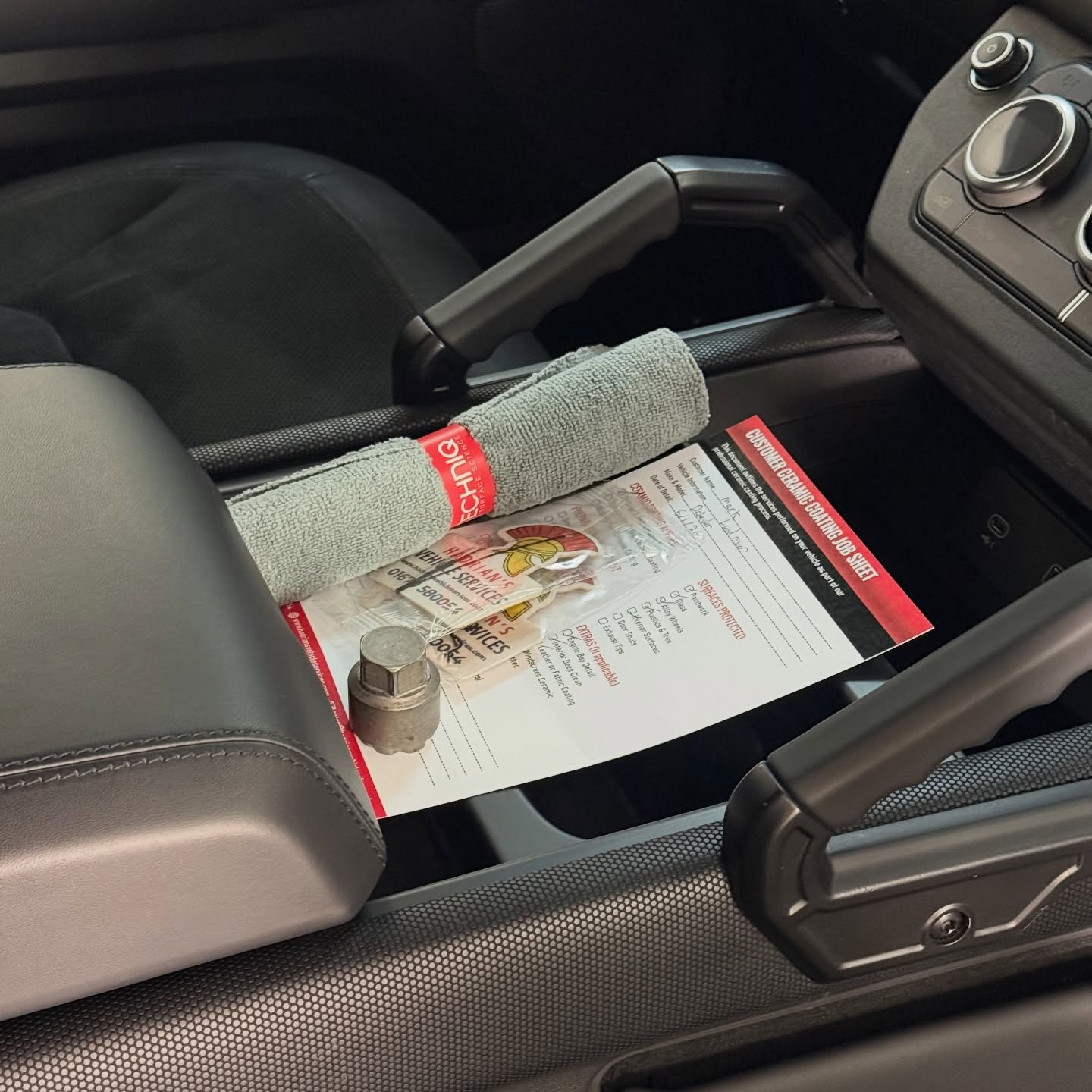
Rupes Professional Equipment
Our Paint Correction Process
Meticulous, panel-by-panel correction under professional inspection lighting
Assessment
We examine your paint under professional inspection lights and measure paint thickness with a digital gauge to determine the correction approach.
Wash & Decontaminate
Thorough multi-stage wash followed by chemical decontamination and clay bar treatment to remove all bonded contaminants from the paint surface.
Correction
Using Rupes polishing machines with carefully selected compounds and pads, we systematically correct each panel to remove swirls and scratches.
Refine
After cutting, we switch to finer polishes and pads to refine the finish, maximise gloss depth, and eliminate any haze from the correction stage.
Protect
Freshly corrected paint needs protection. We apply your chosen protection—from sealant to ceramic coating—to lock in the flawless results.
Why Choose Hadrian's for Paint Correction
Paint correction requires skill, patience, and the right equipment. Here's why customers across the North East choose us.
Rupes Accredited
We're trained and accredited by Rupes—the industry leader in polishing equipment and technique. This means the right tools, compounds, and methods for every paint type.
Paint Thickness Gauge
We always measure paint thickness before starting. This ensures we have safe clearance to correct without compromising your clear coat. No guesswork, no risk.
Professional Inspection Lighting
We use Scangrip professional inspection lights throughout the process. This reveals every defect and confirms when correction is complete.
All Paint Types
From soft Japanese paint that marks easily to rock-hard German clear coats that resist correction—we have the experience and equipment for them all.
Paint Correction FAQs
Everything you need to know about paint correction
Our Other Services
We offer a complete range of vehicle care. See what else we can do for you.
Valeting & Deep Cleans
Professional hand wash & interior deep cleans
Ceramic Coating
Long-lasting paint protection with a showroom shine
Alloy Wheel Refurbishment
Powder-coated alloy restoration from £74/wheel
Car Care Plans
Subscription valeting with priority booking